Event & Activation Agency
Event & Brand Activation Agency Australia
Experiential campaigns and brand activations designed to earn attention, media coverage and word of mouth — not just a nice photo.
- 100% five-star reviews on Trustpilot & Google
- No lock-in contracts
- 90-day performance guarantee
Trusted by industry leaders across Australia


















The short answer
An event and activation agency designs and runs live brand experiences — pop-ups, launches, sponsorships, sampling and experiential campaigns — built to earn attention beyond the people in the room. Odin Digital handles concept and creative, venue and supplier management, build and production, on-site staffing, content capture and the paid, organic and PR amplification that carries the activation to a wider audience. Activations are quoted as fixed-scope projects, with campaign support available on a no-lock-in basis.
As Seen In






Most activations are beautifully executed and commercially pointless. The build looks great, the crowd turns up, a handful of attendees post a story, and by the following week there's nothing left except an invoice and a folder of photos.
The difference is a strategic hook — a reason for people outside the room to care. Our brand activation work starts with the outcome (coverage, trial, data, word of mouth) and designs backwards, then extends the moment through PR, social and content so it keeps working for weeks.
- 90 Days
- Performance guarantee or we work for free
- 100%
- Five-star reviews on Trustpilot & Google
- 90 Days
- To Measurable Results
- 0
- Lock-in contracts, ever
A Great Day That Achieved Nothing.
You ran an activation. The space looked incredible, people enjoyed it, and the team was proud of it. Then you tried to report on it and the only numbers available were foot traffic and a handful of tagged posts — nothing that connected to pipeline, coverage or brand demand.
Activations fail commercially when the concept is designed to look good rather than to travel. Without a hook a journalist can write about, an asset that's worth sharing, or a mechanic that captures intent, the audience is limited to the people physically standing there.
If it only works for the people in the room, it's an event, not a campaign.
Where Data Finds
its Voice.
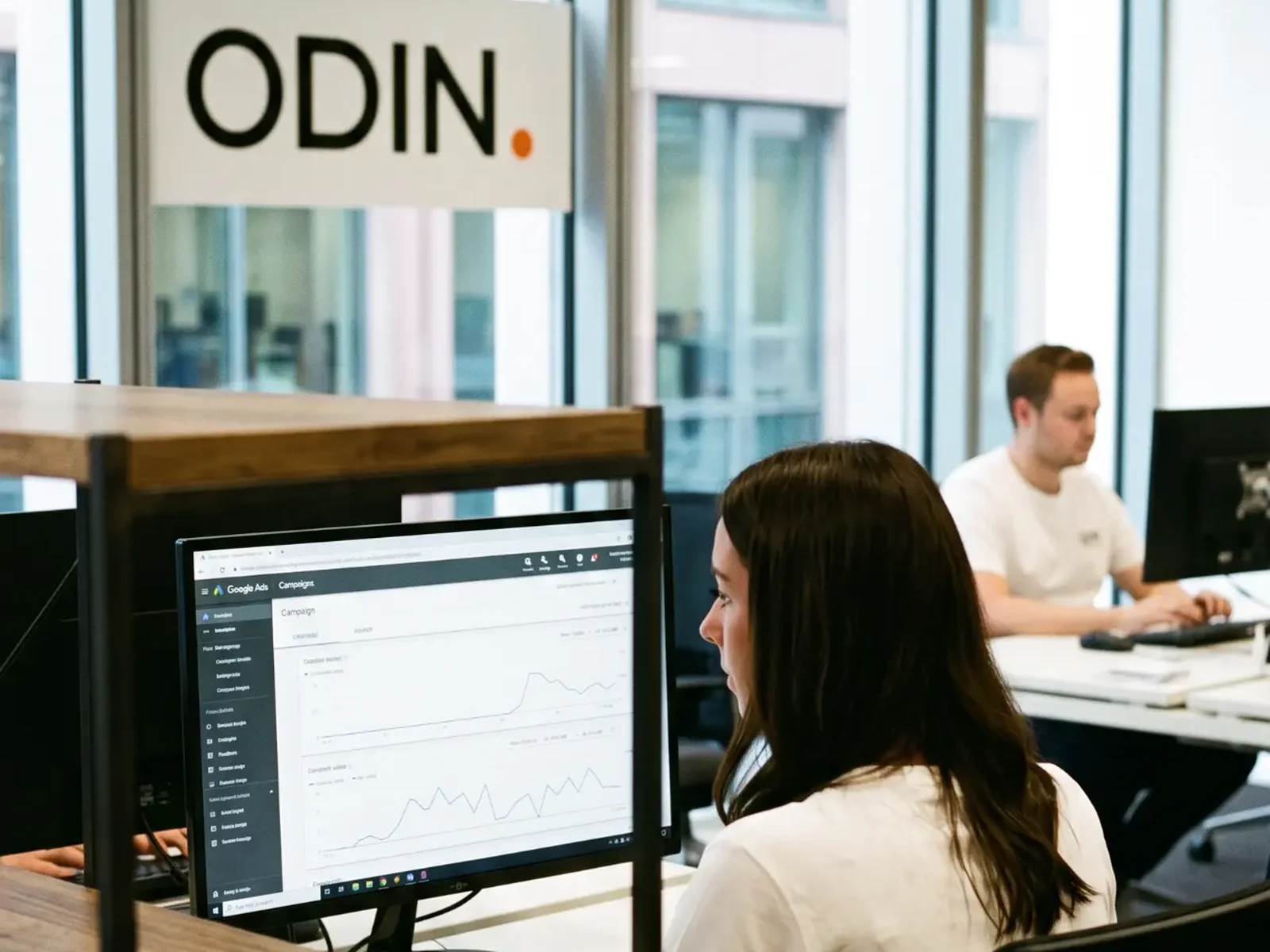
Concept, Execution, Amplification.
We define the commercial objective first, build a concept with a genuine media hook, run the logistics and the day itself, then amplify through PR, content and paid so the activation keeps returning value after pack-down.
The Concept
A strategic hook grounded in something newsworthy or genuinely shareable, with the capture mechanic and content plan designed into the idea rather than bolted on afterwards.
The Execution
Venue, suppliers, permits, build, staffing, run sheets and on-the-day management — then post-event reporting against the objective agreed before a dollar was committed.
Real-world moments engineered to travel far beyond the people who attended.
The 3-Pillar System.
Strategy & Concept
We start with the commercial objective and build the idea around a hook worth covering — then design the shareable asset and data capture mechanic into the concept from the beginning.
Logistics & On-the-Day Execution
Venue and supplier sourcing, permits and insurance, build and installation, staff briefing, run sheets and full on-site management so the day runs without you firefighting.
Amplification & Measurement
Post-event PR outreach, content cut for paid and organic, and reporting against the objective — earned media value, qualified data, branded search lift or attributable sales.
The Activation Process, Phase by Phase
An activation is a production project wearing a marketing brief. The reason so many of them cost a lot and achieve little is that the idea, the logistics and the amplification get planned by different people at different times. We run one sequence with defined outputs and a decision point at the end of each phase, so nothing is booked before the thing it depends on is agreed.
Phase 1 — Objective and audience definition
One to two weeks. Before any concept, we settle what the activation is for: awareness in a specific market, lead capture, product trial, launching a new offer, trade or channel relationships, or content the brand will use for the next six months. Each objective changes the format completely — an activation built for footfall looks nothing like one built for fifty qualified conversations. We define the audience, the moment in the calendar, and what success will be judged on. What you receive: a written brief with the objective, audience, success measures and a realistic budget envelope. Decision point: whether an activation is even the right instrument, or whether the money does more in media.
Phase 2 — Concept development
Two to three concepts, each with a genuine hook — a reason for someone to stop, participate and tell someone else. Concepts are presented with the mechanic, the audience experience end to end, the content it produces, the venue type it needs and an indicative cost band. We pressure-test each against the objective rather than against how impressive it looks in a render. What you receive: concept boards with mechanics, staffing implications and cost bands. Decision point: select and refine one concept before any supplier conversation begins.
Phase 3 — Feasibility, venue and permits
The unglamorous phase that determines whether the idea survives. Venue scouting and site inspection, council and landowner permissions, permits, power and water access, load-in and load-out windows, noise and trading restrictions, public liability and insurance, food handling and licensing where relevant, accessibility, and a risk assessment. What you receive: a feasibility report with the constraints that will shape the build and a locked venue. Decision point: proceed, adapt the concept to the site, or find a different site.
Phase 4 — Production and build
Supplier selection and management, fabrication, print, AV, furniture, staffing and briefing, run sheets, contingency planning for weather and no-shows, and a rehearsal or bump-in walkthrough. Every supplier works to one schedule with one point of contact. What you receive: the production schedule, run sheet, staffing brief and supplier contact list.
Phase 5 — Delivery, capture and amplification
On-the-day management, content capture planned as a deliberate shot list rather than whatever the photographer happened to catch, data capture where lead generation is an objective, then the rollout: organic and paid social, earned media, creator content, sales follow-up and internal use. What you receive: the content library, captured data, a post-event report against the original success measures, and the recommendations for the next one.
What's Included in an Activation Engagement
Scope varies enormously between a pop-up stand and a multi-day experience, but engagements are built from the same components. Smaller activations remove components rather than delivering them half-finished.
Strategy and concept
- Objective definition and success measures agreed before design begins
- Audience and moment analysis, including calendar clashes worth avoiding
- Two to three concepts with mechanics, experience flow and cost bands
- Content plan describing what the activation is designed to produce, not just what it looks like
- Budget model across venue, build, staffing, content and amplification
Feasibility and compliance
- Venue scouting, site inspection and negotiation
- Permits, council approvals and landowner permissions
- Public liability, insurance certificates and supplier compliance documentation
- Risk assessment, crowd management and accessibility planning
- Weather and contingency planning with defined trigger points
Production
- Design of the physical environment — structures, signage, graphics, wayfinding
- Supplier sourcing and management across fabrication, print, AV, furniture and catering
- Staffing, uniforms, scripting and briefing so brand ambassadors say something useful
- Run sheets, bump-in and bump-out schedules, and on-site management
- Data capture set-up where lead generation is an objective, with consent handled properly
Content and amplification
- Photography and video capture against a planned shot list
- Edited asset set built for the formats you will actually run, including vertical crops for Instagram and TikTok
- Creator and media attendance coordination through creator partnerships and media relations
- Paid amplification plan so the content reaches beyond the people who attended
- Post-event report against the original objective, with what to repeat and what to drop
Talent booking, licensed music and any consumer competition mechanic sit outside default scope because each carries its own legal and permit requirements. We flag these early and coordinate the specialists rather than improvising around them.
How Activations Are Scoped and Budgeted
Activations are quoted as a fixed management fee against a defined scope, with third-party costs — venue, build, suppliers, staffing — presented transparently rather than marked up invisibly. You should always be able to see what the money is buying.
Project versus programme
A single activation is a project: concept, produce, deliver, report. A programme suits brands running a series across a season or several cities, where the value comes from a repeatable playbook — assets that travel, suppliers already vetted, staff already trained and a format that improves each time rather than being reinvented. The second activation in a programme is almost always cheaper and better than the first, because the expensive learning has already been paid for.
What drives cost up
- Custom build. Bespoke fabrication costs more than modular systems and cannot be reused without storage and transport.
- Venue type. Prime public sites, shopping centres and festivals carry site fees, strict compliance requirements and short bump-in windows that force overnight labour.
- Duration and footprint. Multi-day and multi-city activations multiply staffing, transport, storage and management time.
- Technology. Interactive screens, AR, live data and anything requiring connectivity need testing, redundancy and on-site technical support.
- Talent and creators. Appearance fees, usage rights and travel add up quickly and should be priced before the concept is locked.
What brings cost down
- Modular, reusable build designed to travel and store flat
- Piggybacking an existing event with an established audience rather than building your own from zero
- Off-peak dates and venues outside the crowded parts of the calendar
- Using your own staff as the front line, briefed and scripted, instead of hired ambassadors
- Planning content capture into the format so you are not paying separately for a shoot afterwards
How the budget should be split
The most common budgeting error is spending everything on the day and nothing on making it travel. An activation seen by four hundred people is a small campaign; the same activation with planned capture and paid amplification behind it reaches a genuinely commercial audience. We model amplification as a line item from the first budget conversation, alongside social and paid support, rather than treating it as something to fund from whatever is left.
Activation Agency vs In-House Events Team vs DIY
Plenty of businesses run their own events perfectly well. The question is which parts of this work reward specialists and which do not.
Running it yourself
Works when: the format is familiar, the venue is known, the audience is already yours, and the stakes are relationship-building rather than acquisition. Customer evenings, open days and trade breakfasts rarely need an agency. Breaks when: the activation needs a creative hook to earn attention from strangers, sits in public space with permits and compliance, or has to produce content and coverage rather than just happen. Real cost: looks cheap, hides the internal time. A marketing coordinator absorbed by supplier logistics for six weeks is a real expense that never appears on the invoice.
In-house events team
Works when: you run enough activity to keep specialists busy year-round, and the brand consistency benefit of owning the function outweighs the flexibility of buying it. In-house teams know the business, the products and the stakeholders better than any agency will. Breaks when: volume is seasonal, so the team is stretched at peak and idle off-peak; or when the format needs skills the team does not hold — fabrication management, permit navigation in an unfamiliar city, creator relationships, content production at pace. Real cost: fixed salary regardless of activity, plus the supplier network they have to build and maintain personally.
Activation agency
Works when: the activation has to compete for attention publicly, the logistics are unfamiliar or in another city, the creative hook matters, or the output needs to be content and coverage rather than a good afternoon. You are buying a vetted supplier network, permit and compliance experience, production management and the amplification thinking — not just people on the day. Breaks when: the brief is a straightforward internal function with a known run sheet, where agency process adds cost without adding much.
The hybrid most brands land on
Internal ownership of relationships, objectives and follow-up; agency ownership of concept, production and amplification. It works because the two failure modes are different — internal teams rarely fail on care and rarely have the supplier depth, while agencies have the depth and need the internal knowledge to aim it. Agree who owns each line of the run sheet in writing before bump-in, and the hybrid runs cleanly.
How Activations Differ by Industry
The production discipline is constant. What changes is what the activation has to achieve, what compliance sits over it, and what a genuinely good outcome looks like in that category.
Professional services
Nobody queues at a stand to meet an accountant, so the format is closer to a curated room than a public activation: a briefing, a panel, a client dinner or a partner breakfast with a topic worth an hour of a senior person's day. Success is measured in conversations with the right names rather than headcount, which makes the invitation list the most important production decision. Content capture matters more than most firms realise — a recorded panel becomes months of content and gives the sales team a reason to follow up.
Healthcare and clinical
Advertising rules on claims, imagery and testimonials apply to physical activity as much as to a landing page, so copy on signage, staff scripting and any content captured needs compliance review before it exists. Community health days, screening events and open practice days work because they deliver something concrete rather than a message. Privacy obligations shape data capture: consent has to be explicit and the collection minimal. Photography needs releases on the spot, not chased afterwards.
Trades and home services
Home shows, trade expos, community events and site-based demonstrations put you in front of people already in market, which beats building an audience yourself. The mechanic that works is a demonstration of competence — showing the work, the materials and the difference between a good job and a cheap one — combined with a straightforward way to book a quote. Staffing matters more than the stand: a tradesperson who can answer real questions outperforms a hired ambassador with a script, every time.
Ecommerce and consumer brands
Physical activation gives an online brand the one thing it cannot manufacture — the ability to touch the product. Pop-ups, markets, sampling and retail partnerships work when trial is the barrier to purchase. The content is often worth more than the day's takings, so plan capture into the layout and lighting rather than shooting around the crowd. Tie the activation to a trackable mechanic — a code, a landing page, a scan — so the online effect is not invisible in your reporting.
Hospitality and venues
For venues, the activation is usually about a launch, a season or a reason to return. Collaborations with complementary brands, chef or bar takeovers, and event series build a calendar customers check rather than a one-off spike. Licensing, capacity and noise conditions are the binding constraints and should be confirmed before the concept is designed. The follow-through is where most venues leave money: capturing attendees into a database and giving them a reason to come back within a month.
Common Activation Mistakes and What Good Looks Like
Activations fail in a small number of recognisable ways, and almost all of them are decided long before the day.
Starting with the format instead of the objective
"We should do a pop-up" is a solution looking for a problem, and it usually produces an expensive presence with no measurable purpose. Good looks like: the objective and success measure written down and agreed before any concept work, with the honesty to conclude that media spend would do more.
A logo in a space
Branded furniture, a banner and staff in polos is presence, not activation. People walk past. Good looks like: a mechanic that gives someone a reason to stop, do something and remember it — a demonstration, a trial, a personalisation, a genuinely useful conversation.
No plan for what happens after
The activation ends, the photos sit in a folder, and the leads go into a spreadsheet nobody works. Good looks like: an amplification plan and a follow-up sequence built before the event, with owners and dates, so the day is the start of the campaign rather than the whole of it.
Capturing content as an afterthought
A photographer briefed on arrival, shooting whatever happens, delivering images that do not fit any format you run. Good looks like: a shot list derived from the channels you will publish to, vertical and horizontal coverage, and moments deliberately staged early while the space is clean and the staff are fresh.
Underestimating logistics
Discovering the load-in window is two hours, the site has no power, or the permit requires documentation you have not started. Good looks like: feasibility completed and the venue locked before suppliers are booked, with a risk assessment that lists what could stop the day and what happens if it does.
Understaffing and under-briefing
Two people managing a queue of thirty, or ambassadors who cannot answer a basic product question. Good looks like: staffing modelled against expected throughput and rotation for breaks, with a written brief covering the offer, the objections and the one thing every conversation should end with.
Measuring attendance and nothing else
Footfall is the easiest number to collect and the least useful on its own. Good looks like: reporting against the objective — qualified conversations, trial volume, data captured with consent, content produced and the reach it earned, coverage secured, and sales in a defined window — with a clear view of what to repeat and what to drop.
Turning One Day Into Six Months of Marketing
The economics of activation only work when the day produces assets and relationships that keep earning. Treat the event as a content shoot with an audience attached and the budget starts making sense.
Plan the content before the build
Decide which channels the content is for, then design the space to serve them. Vertical video needs backdrops that work in a nine-by-sixteen crop. Photography needs a lighting plan for indoor venues and a clean angle without a rubbish bin in it. Interviews need somewhere quiet enough to record. These are layout decisions, and they cost nothing if made before fabrication and a great deal afterwards.
Capture more than the hero shots
Beyond the wide crowd shot you need product detail, staff and customer interaction, behind-the-scenes build footage, short-form vertical clips, testimonial interviews with attendees who consent, and stills clean enough to sit behind text in an ad. A single day can produce a quarter's worth of organic posting and a genuine library for paid social creative testing.
Sequence the rollout
Publish before, during and after. Anticipation content builds attendance; live content gives people who could not attend a reason to watch; the edit that lands a week later reaches the widest audience. Spreading assets across the following months keeps the activation working long after the site is packed down, rather than exhausting everything in a forty-eight hour burst.
Convert the earned attention
Media and creator coverage produced by the activation has a second life as social proof — on the site, in proposals, in ad creative and in ongoing media relations. Coverage is easier to secure when the activation gave journalists something concrete to write about, which is another argument for a mechanic with a genuine hook rather than a branded space.
Work the data properly
Where you captured contacts with consent, they should enter a defined sequence within days, while the memory is fresh — a thank you, the content from the day, and one clear next step. Contacts that sit untouched for a month are worth close to nothing, and the cost of collecting them was real.
Debrief while it is fresh
Within a week, capture what worked, what cost more than it should have, which supplier would be used again and what the run sheet got wrong. Written down, that becomes the playbook that makes the next activation cheaper and better. Skipped, you will pay for the same lessons twice.
Choosing the Right Activation Format
Most briefs arrive with a format already assumed. It is worth spending an hour comparing options, because the same budget behaves very differently depending on the shape it takes.
Pop-up and retail takeover
A temporary physical presence in a high-traffic location. Strong for trial, discovery and content; demanding on permits, fit-out and staffing. Best when the product benefits from being handled and when the location naturally carries your audience. Weakest when the site is chosen for cost rather than relevance.
Sampling and demonstration
Putting the product into hands at scale. Efficient per interaction and easy to staff, but shallow — people accept a sample and forget the brand within an hour unless there is a follow-up mechanic. Pair it with something trackable so you can tell whether trial converted.
Piggybacking an existing event
Festivals, expos, sporting fixtures and industry conferences deliver an assembled audience so you are not paying to gather one. Site fees and strict site rules are the trade-off, along with competing for attention against everything else in the room. Usually the highest-value option for businesses activating for the first time.
Owned event
A launch, a briefing, a dinner or a series you control entirely. Full control over audience, agenda and experience; full responsibility for filling the room, which is the part most brands underestimate. Best when your existing database or partner network can supply the guest list.
Partnership activation
Two complementary brands sharing an audience, a venue and a cost base. Excellent value when the audiences genuinely overlap and the brands sit at a similar price position. Requires clear agreement on who owns the data, who approves creative and how the content is used by each side — settle that before the concept, not after.
Roadshow or multi-city programme
The same format repeated across markets. Expensive to design once, cheap to repeat, and the only format that builds a genuine playbook. Requires modular build, travel-ready assets and consistent staff briefing. This is where a programme arrangement rather than a single project pays for itself, and where it is worth coordinating with local social and paid support in each market.
Working With Venues, Suppliers and Councils
The creative idea is usually the easy part. What determines whether an activation happens on time and on budget is how the relationships with venues, suppliers and approving authorities are handled — and those have their own rhythms that cannot be rushed at the last minute.
Read the venue agreement before the concept is locked
Site agreements dictate more of the design than most brands expect: bump-in and bump-out windows, load access and lift dimensions, floor protection, rigging restrictions, power availability and where it terminates, noise limits and curfews, preferred or mandated suppliers, and whether you may sell, sample or serve anything at all. Designing first and reading the agreement afterwards is the single most common cause of an expensive redesign.
Give approvals their real lead time
Council permits, landowner permissions, traffic management, food handling and temporary structure approvals each have their own process and their own queue. None of them respond well to urgency. We build the approval path into the schedule during feasibility and work backwards from the earliest binding deadline, rather than treating permits as paperwork to sort out once the fun part is done.
Choose suppliers on reliability, not just quote
A cheaper fabricator who delivers late has cost you the activation, not a percentage of the build. We assess capacity, insurance and compliance documentation, prior work at comparable sites and willingness to attend a site inspection. A supplier who asks difficult questions early is almost always the safer choice over one who agrees to everything.
One schedule, one point of contact
Every supplier works to the same run sheet with the same contact and the same escalation path. Bump-in windows collapse when three trades arrive expecting the same two hours and the same doorway. Sequencing the build hour by hour, with realistic contingency, is the difference between a calm morning and a scramble that eats the day's staffing budget.
Document everything on the day
Condition reports at bump-in and bump-out, signed delivery dockets, photographs of the completed build and of the site on departure. Disputes over damage and missing hire equipment are common and are settled entirely by evidence. Ten minutes of photography protects a bond that is worth considerably more than ten minutes.

Our Unprecedented Guarantee.
The 90-Day Momentum Guarantee
If we don't hit the agreed-upon KPIs within 90 days, we work for free until we do. No caveats. No fine print.
Your success is our success. We only win when you win.
No Lock-In Contracts
Stay because we deliver, not because you're trapped.
Full Transparency
Every action we take, every result we achieve - visible in real time.
Dedicated Team
A senior strategist and specialist team assigned to your account.
Common Questions
Frequently Asked Questions
An event gathers people. An activation is built to produce something afterwards — coverage, content, data capture, word of mouth or trial. The guest list is a means, not the objective. If the plan doesn't say what the activation is supposed to generate once everyone goes home, it's an event with a bigger budget.
Yes. Concept and strategy, venue and supplier sourcing, permits and insurance requirements, build and installation, staffing and briefing, run sheets and on-the-day execution, then pack-down and post-event reporting. You can also engage us for concept and measurement only if you have logistics covered internally.
Against the objective set before it's booked. Depending on the goal that means earned media value and placement quality, qualified data captured, sampling or trial numbers, branded search lift in the weeks after, content produced and its downstream performance in paid and organic, or direct attributable sales. We agree the measures and the benchmark upfront.
Eight to twelve weeks is a comfortable runway for a single-site activation: one to two weeks on objective and concept, two to three weeks on feasibility, venue and permits, then production and build. Prime venues, festivals and shopping centres are often booked months ahead, and council permits have their own lead times, so anything tied to a fixed date in a competitive part of the calendar should start earlier.
We do, as part of the feasibility phase — council and landowner permissions, permits, public liability certificates, supplier compliance documentation, risk assessment and accessibility planning. Where the activation involves food, alcohol, amplified music or a competition mechanic, those carry separate approvals and we coordinate the relevant specialists rather than improvising around the requirements.
Contingency is planned during production with defined trigger points, not decided at seven in the morning. Depending on the format that means a wet-weather layout, covered structures, a reserve date, or a shortened run sheet that still captures the content you need. Outdoor activations should always be quoted with the contingency included, because the alternative is an urgent decision made under pressure with no budget behind it.
Against the objective set in phase one, not against attendance for its own sake. Depending on the brief that is qualified conversations or leads captured, trial or sample volume, content assets produced and the reach they went on to earn, media and creator coverage, or sales in a defined window and territory. We record the baseline before the activation and report against it afterwards, including what we would drop next time.
Yes. Regional activations change the logistics rather than the process — supplier availability, transport and accommodation for crew, and longer lead times on fabrication delivered from a capital. Modular builds that travel flat make multi-location programmes far more viable, and local suppliers are worth using where they exist because they know the sites and the councils.
Only if reach beyond the people present is one of your objectives, which it usually is. Creator attendance produces content in formats their audiences already watch, and media attendance can turn a one-day event into coverage. Both need to be planned into the concept from the start — invited late, they arrive to an experience that was not designed to be filmed or written about.
Trusted by Leaders
Across Australia.
Don't take our word for it. Here's what business owners and marketing directors say about working with Odin Digital.
“Can't recommend enough”
Lucas & the agency is honestly one of the best things that ever happened to my business. When I first started working with him for SEO and ads, he went way beyond that - dropping knowledge on pricing, funnels, and how to actually structure things to scale. I was doing $20k months on my own, then after working with Lucas on a new product launch, I was averaging over $100k a month. Mostly thanks to advice I never even paid for. Five years later, he still runs my ads and I still call him for guidance. If you're serious about your business, working with Lucas & Odin Digital is a high leverage move.

“Finally found the perfect growth program”
Their data-driven approach to SEO put us on the first page of Google for our most competitive keywords. Revenue is up 180%. Working with the Odin team feels incredibly personalised.

“This is the way marketing should be done”
The team at Odin doesn't just run ads - they re-engineered our growth systems. Our ROAS improved from 2x to 6x in just 90 days. It's clear they care about giving customers a proactive, user-friendly experience.

“A true extension of our team”
From day one, Odin felt like an in-house team. They took the time to understand our industry, built a strategy around our goals, and delivered results that exceeded every benchmark we set. Our cost per acquisition dropped by 62%.
“Results that speak for themselves”
We'd been burned by agencies before, so we were skeptical. Odin proved us wrong within the first quarter - organic traffic up 210%, and our pipeline has never been healthier. They actually do what they say they'll do.

“Extremely Happy With The Results”
Bulk Buys has been working with the team for the last couple of months and we have been extremely happy with the results the team has achieved in such a short time. Communication and service provided by the team has been excellent. Thank you Alf & Calum!
Activation agency near you
Venues, suppliers and audiences differ city by city, so activations are planned locally. We run brand activations in Sydney, Melbourne, Brisbane, Perth Adelaide, the Gold Coast, Canberra Newcastle, Hobart, Darwin, Wollongong, Geelong, Ballarat and Launceston, or browse every city we cover.
Planning an Activation That
Has to Deliver?
Tell us the objective and the budget, and we'll tell you honestly whether an activation is the right way to spend it.
A clear commercial objective and the measures that prove it
Two concept directions with the media hook built in
Indicative budget, timeline and amplification plan